MIT Tablets vs MIT Extract Powder After 7-OH: Which Format Fits Your Priorities?
Catalog checkpoint: August 26, 2026.
MIT chewable tablets and MIT extract powder are the two concentrated mitragynine formats currently offered by Kratom Paradise. Tablets are selected by Mango flavor and count. Powder is selected by net weight and is unflavored. The better format is the one whose physical form, package unit, document scope, quantity, and destination fit the buyer’s priorities.
Neither format is a milligram-for-milligram substitute for 7-OH. Mitragynine and 7-hydroxymitragynine differ in pharmacology and potency, and the current tablet and powder reports use different matrices and units.
MIT tablets and extract powder side by side
| Field | 150mg MIT Mango tablets | MIT 90% extract powder |
|---|---|---|
| Physical format | Dry pressed chewable tablet | Loose dry concentrate powder |
| Current flavor | Mango | Unflavored |
| Standard selectors | 5, 10, 25, 50, 100, or 250 tablets | 0.5g, 1g, 2g, 5g, 10g, or 25g |
| Bulk selectors | 500, 1,000, or 5,000 tablets | 50g, 100g, 250g, or 1kg |
| Purchasing denominator | Price per tablet | Price per gram |
| Current laboratory record | M/150/002 finished-tablet report | DD00126B(15) concentrate report |
| Inventory method | Count units | Track labeled net weight and package identity |
Choose tablets for a count-based format
The tablet line packages MIT in discrete, pressed units. Match the Mango label, the 150mg MIT product-line name, the selected count, and the order confirmation. Use the standard tablet selector or bulk tablet selector for current package prices, availability, and live per-tablet comparisons.
Open the MIT Chewable Tablets collection for live availability and selected-variant pricing.
Choose powder for a weight-based format
MIT 90% powder remains loose and unflavored. Use the standard powder selector or bulk powder selector for current package prices, availability, and live per-gram comparisons. Larger packages carry a higher total purchase and longer storage responsibility; keep the original pouch sealed, dry, clearly labeled, and away from children and pets.
Open the MIT Extract Powder collection for the live weight ladder.
The tablet report is a finished-unit record
The linked Cora Science report identifies pressed Mitragynine Tablet lot M/150/002, issued September 19, 2025. It reports 146mg mitragynine per unit, 0.148mg 7-hydroxymitragynine per unit, and 153mg total Mitragyna alkaloids per unit. The report uses a measured unit weight of 0.921g for its conversion.
That is stronger product-stage evidence than a source-material document because the laboratory record identifies a finished tablet. Its scope still matters: the report identifies the lot and pressed-tablet matrix but does not identify Mango flavor or guarantee later lots.
The powder report is a concentrate-sample record
The linked PharmLabs San Diego report identifies submitted sample DD00126B(15), sample ID SD260715-011 (142956), reported July 20, 2026. It lists 87.01% mitragynine (870.12mg/g) and 9.08% speciociliatine (90.79mg/g) for that concentrate sample.
The product-line name uses 90%; the sample result is 87.01% mitragynine. Both can appear together when the label and analytical result remain distinct. The report also lists 7-OH and MGM-15 as not detected under the stated method and limits. That result applies to the submitted sample rather than every package or future lot.
Use the MIT Product Documents & COA Center to open both current reports and read their scope notes.
Why the two laboratory records do not create a conversion
The tablet report expresses alkaloids per finished unit. The powder report expresses composition by weight for a concentrate sample. Different matrices, units, dates, and package systems cannot be collapsed into a reliable tablet-to-powder amount. The 150mg label and 90% line name are also merchandising fields, not instructions for changing products.
The same limit applies when the comparison begins with 7-OH. No reliable 7-OH-to-MIT chart can predict equivalent psychoactive effects, tolerance response, or withdrawal. Read Why There Is No Reliable 1:1 Chart before treating any label number as an equivalency.
Human effects and risk remain relevant in both formats
Mitragynine is psychoactive and acts at mu-opioid receptors. Product format does not make human effects predictable. Repeated use can involve tolerance, dependence, withdrawal, nausea, or sedation. Mixing with alcohol, opioids, sedatives, or other substances can add risk.
A person experiencing severe withdrawal, uncontrolled use, unusual drowsiness, breathing difficulty, or another urgent reaction should seek qualified medical care. Product documentation can identify a sample or lot; it cannot diagnose a reaction or provide a treatment plan.
A practical format decision
- Count and portability: tablets have the clearer physical advantage.
- Weight range and bulk unit economics: powder offers the broader ladder.
- Document type: tablets currently have an identified finished-unit report; powder has an identified concentrate-sample report.
- Storage: both need original labeling and secure storage; loose powder adds spill and moisture concerns.
- Regulatory check: confirm federal, FDA, state, local, and shipping status separately.
For the current federal distinction after the August 26 order, read Is 7-OH Banned Right Now? The MIT Products Guide maps the full standard and bulk catalog.
Compare MIT tablets and extract powder
Open the current product records
Compare the standard 150mg-label Mango tablet listing, bulk tablet listing, standard MIT 90% powder listing, and bulk powder listing. Each live selector shows current package choices, price, and availability.
Official sources
- DEA August 26 temporary scheduling order
- FDA information on concentrated 7-OH products
- FDA and Kratom
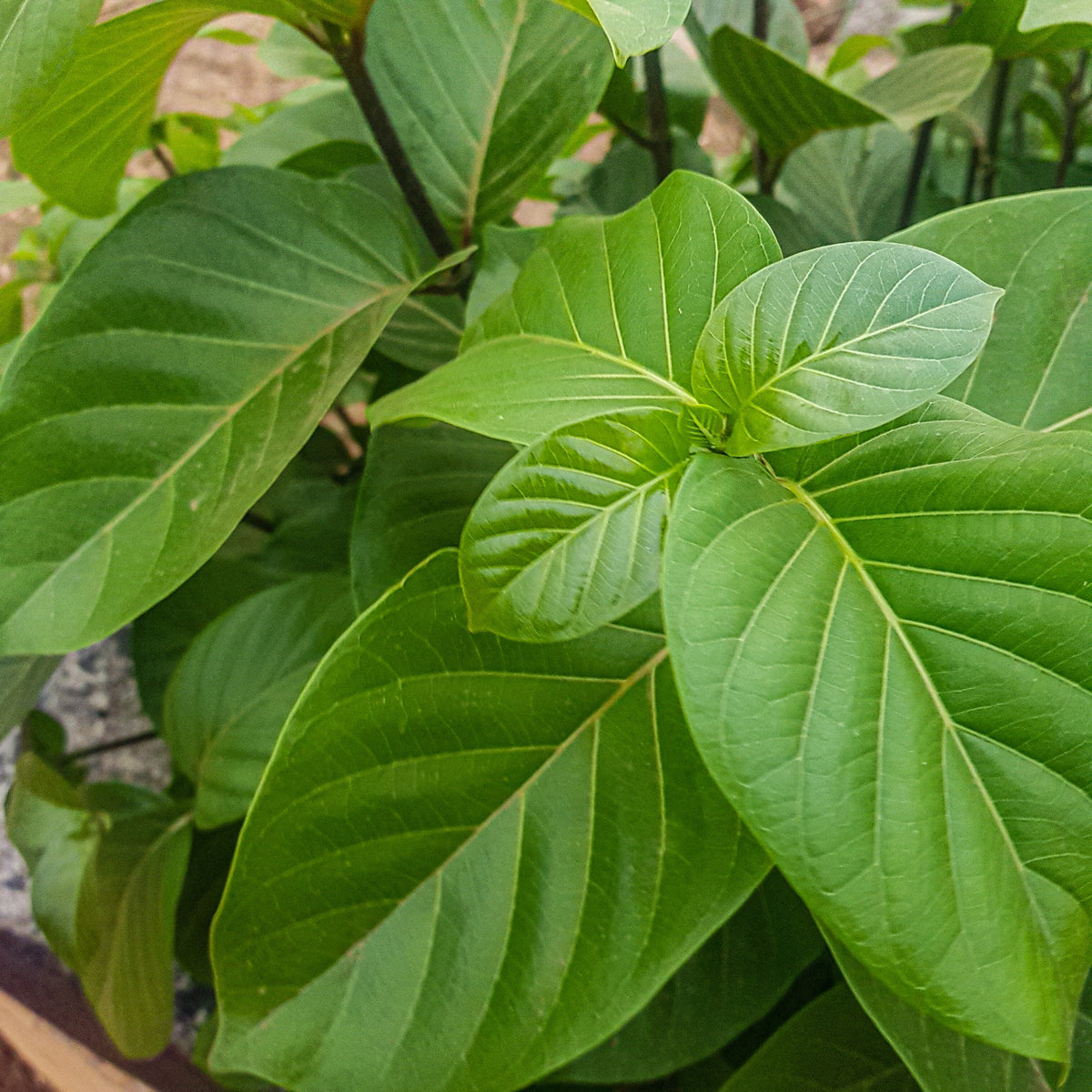
Featured image credit: Kratom plant by Philipola, CC0 1.0.
Format, price, laboratory-document, and regulatory information only; no medical, serving, withdrawal, or equivalency advice.