
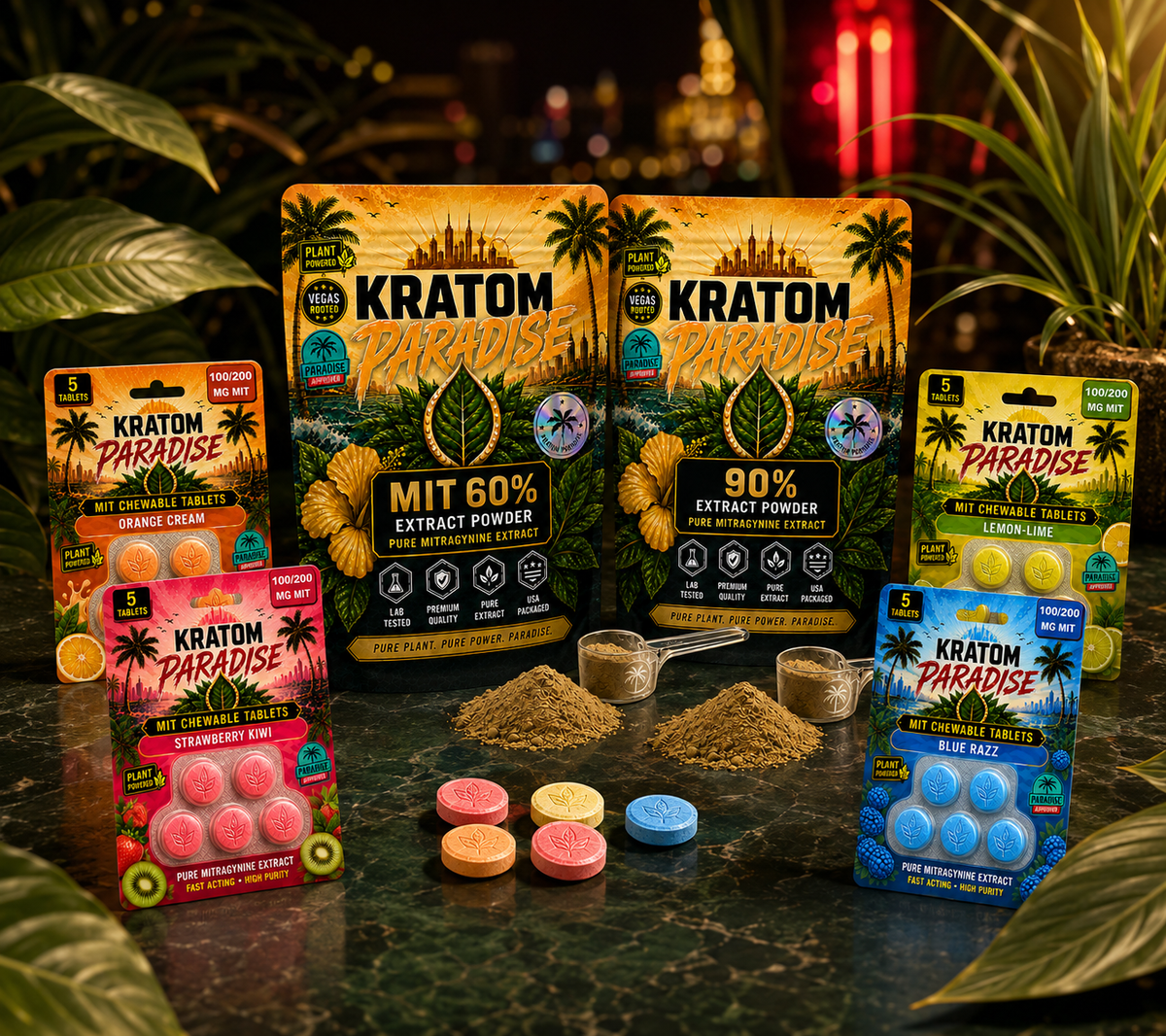
Kratom Paradise MIT tablets and extract powder in a tropical desert product scene

What Is Oxonol? MGM-15, Mitragynine and the Brand Name
Oxonol is a commercial brand name, not a scientific synonym for MGM-15, 7-OH, or mitragynine. The company using the name currently describes its Oxonol tablets as containing both MGM-15 and mitragynine. That formula-level detail is more useful than the front-label name alone.

What the name Oxonol tells you—and what it does not

A brand name identifies a product family. It does not by itself disclose every active ingredient, establish the legal status of those ingredients, or show whether the formula has changed. The manufacturer states that “Oxonol” is its product-line name and describes MGM-15 plus mitragynine in the tablets. Because this is a manufacturer claim, the page and package should be checked for the current formula and date.

What is MGM-15?

DEA’s July 2026 Federal Register notice gives MGM-15 the common chemical name dihydro-7-hydroxymitragynine. The notice describes MGM-15 as a synthetic derivative of 7-hydroxymitragynine and says it is produced through chemical modification of purified isolates. It also identifies MGM-15 separately from mitragynine, which naturally occurs in Mitragyna speciosa.

This means “Oxonol contains mitragynine” and “Oxonol contains MGM-15” are not redundant statements. They identify different ingredients within the manufacturer’s described formulation.

Why Oxonol appears in the 7-OH conversation

The manufacturer markets the product in relation to 7-OH. But merchandising language such as “7-OH alternative” is not a chemical classification. DEA issued one July notice addressing certain 7-OH material above specified thresholds and a separate notice addressing MGM-15, MGM-16, and mitragynine pseudoindoxyl. A product can therefore differ from 7-OH while still containing a separately named substance in a related federal action.

Is Oxonol included in the DEA notice?

The Federal Register notice does not use the brand name Oxonol. It does expressly name MGM-15. If a current Oxonol formula contains MGM-15 as its manufacturer says, that named ingredient makes the notice relevant. The correct comparison is ingredient-to-substance, not brand-name-to-document-title.

As of July 14, 2026, the document is a notice of intent. It says the temporary scheduling order will not be issued before August 5, 2026 and will become effective when published. Later orders, formula changes, and state rules can change the answer, so date every conclusion.

How MIT differs

MIT is the common shorthand for mitragynine, a naturally occurring alkaloid of the kratom plant. MGM-15 is not another label for MIT. DEA’s notice explicitly describes MGM-15 as a synthetic derivative and contrasts it with naturally occurring mitragynine.

Kratom Paradise’s MIT tablets and extract powders are organized around that MIT identity. The listings provide product form, labeled option, count or net weight, and qualified document context. They are not represented as Oxonol, MGM-15, 7-OH, approved drugs, or effect-equivalent replacements.

A practical Oxonol identity check

  1. Read the current ingredient panel, not only the brand name.
  2. Look for MGM-15 and its common name, dihydro-7-hydroxymitragynine.
  3. Record any mitragynine amount separately from the MGM-15 amount.
  4. Keep milligrams per tablet separate from total package amounts.
  5. Check the date of the page, package, lab document, and regulatory source.

Sources and next steps

Review the seller’s description of its own Oxonol formula, then compare it with the Federal Register MGM-15 notice. For a broader side-by-side, use our Oxonol vs MIT vs 7-OH guide and dated MGM-15 scheduling update.

Kratom Paradise does not sell Oxonol or MGM-15 products. This article is educational product and regulatory information, not medical or legal advice.

Written By : Kratom Paradise Editorial Team