
Kratom & kava guides
How to Read “Legal 7-OH Alternative” Claims for Oxonol and MGM-15
A product advertised as a “legal 7-OH alternative” may still contain a controlled compound. MGM-15, for example, became temporarily Schedule I on August 26, 2026. Read the ingredient or active-compound name before relying on the marketing phrase.
Start with four facts
- What is it? Find the exact active compound, not just Oxonol or another brand name.
- How much is present? Record the basis: per piece, serving, gram, milliliter, or package.
- What proves it? Match a lab report for the packaged product to the lot or sample and read the units and method limits.
- When and where is the legal claim true? Check the newest federal document plus state and local law.
Why “not 7-OH” is insufficient
A compound can be chemically distinct from 7-OH and still have opioid activity, meaningful risk, and its own controlled-substance status. MGM-15, MGPI, and MGM-16 are the clearest current example: they are named separately in DEA's temporary Schedule I order.
Brand name versus formula
Oxonol is a commercial name rather than a federal scheduling term. Read the underlying formula and check current law for that substance; marketing written before the August 2026 order may now be out of date.
MIT is not the same claim
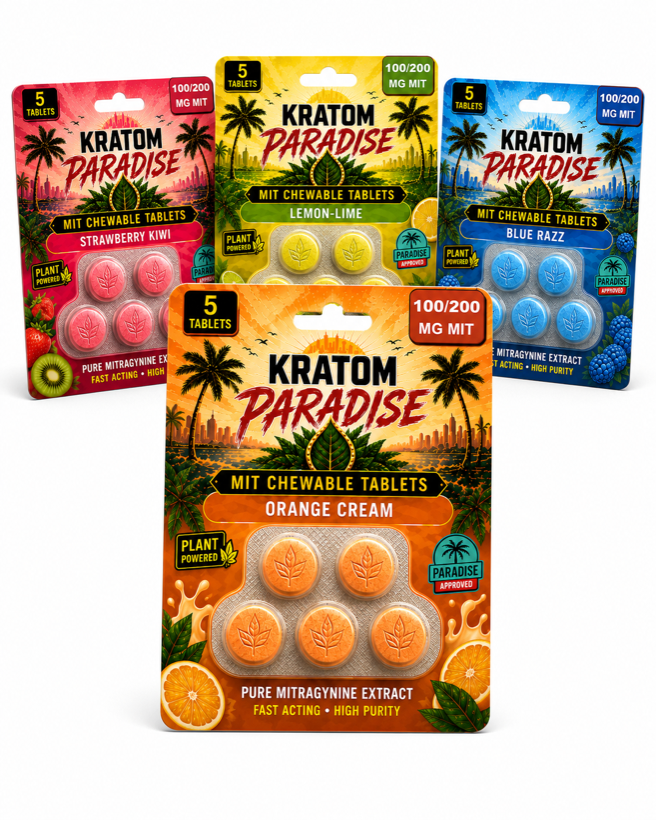
MIT means mitragynine. Kratom Paradise MIT tablets and powder are documented as mitragynine products and are not offered as MGM-15, Oxonol, or a 7-OH equivalent. Being outside the August order for three named compounds is not the same as FDA approval or universal state legality.
What to look for on the label
Look for the active compounds, amount per piece or package, complete ingredients, lot number, laboratory report, and current restrictions. Be skeptical of therapeutic, withdrawal, pain-relief, or “same effect” promises.