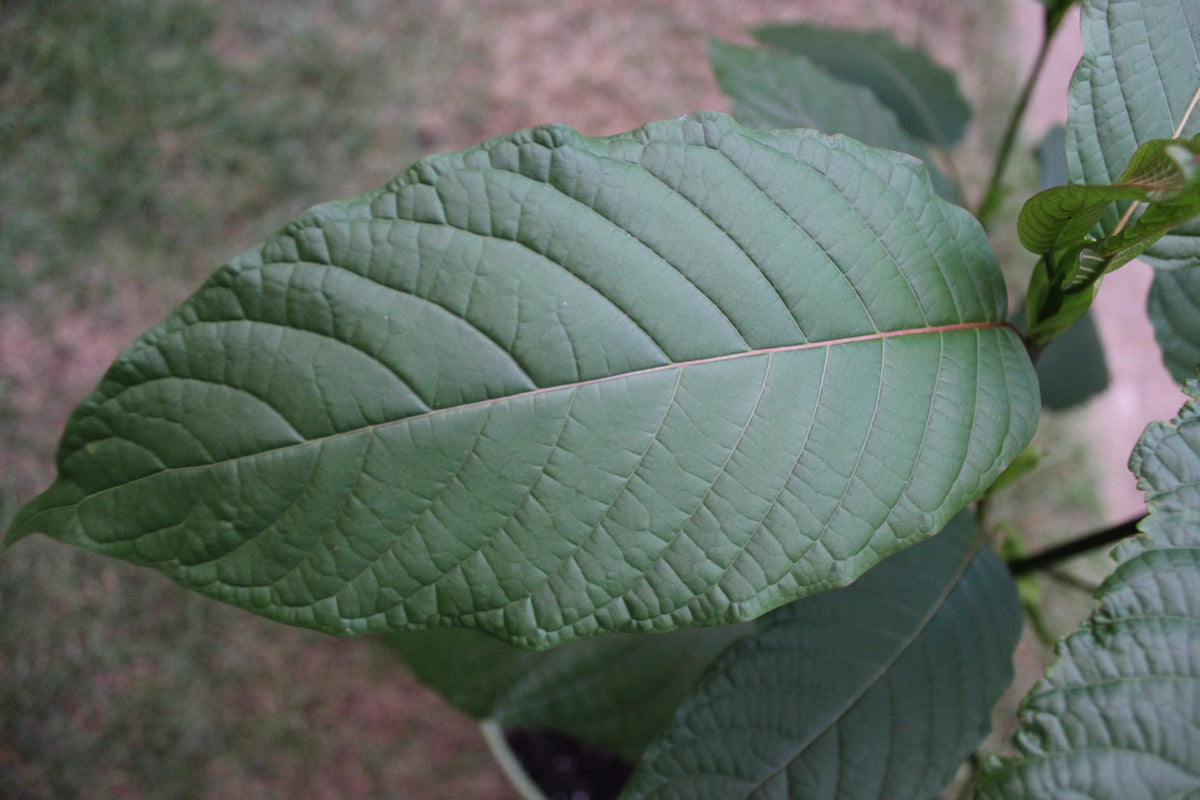
Close view of a real Mitragyna speciosa leaf used to distinguish botanical identity from a branded compound name

Oxonol vs MIT Tablets: Product Identity, Form and Documents

Oxonol tablets and MIT tablets may share a chewable form, but their stated ingredient identities are different. The Oxonol manufacturer describes its formula as MGM-15 plus mitragynine. Kratom Paradise MIT tablets are presented around mitragynine and are not marketed as MGM-15 products.

Start with the ingredient, not the tablet shape

A chewable tablet is a delivery format. It does not establish whether the tablet contains MIT, MGM-15, 7-OH, pseudoindoxyl, or a blend. Flavor and tablet count can be compared only after the active ingredient and unit basis are clear.

Term What it identifies Current federal status (August 26, 2026)
Oxonol A commercial brand/product-line name. Its manufacturer describes the tablets as containing MGM-15 plus mitragynine. The brand name is not listed in DEA's notice; the named ingredient MGM-15 is.
MGM-15 Dihydro-7-hydroxymitragynine, a synthetic derivative of 7-hydroxymitragynine. Placed in Schedule I by DEA's temporary order effective August 26, 2026.
7-OH 7-hydroxymitragynine, which can occur at trace levels in botanical material and also appears in elevated or synthesized commercial products. Addressed by a separate proposed-threshold process; HHS extended comments through September 10, 2026, and the August 26 order for three related substances did not make that 7-OH threshold effective.
MIT Mitragynine, a naturally occurring alkaloid of Mitragyna speciosa. MIT extracts concentrate that named alkaloid. Not one of the three MGM/pseudoindoxyl substances named in the MGM-15 notice.

The effect comparison is not MIT versus an inert alternative

Mitragynine and MGM-15 are both biologically active but chemically distinct. Mitragynine interacts with human opioid receptors and is metabolized partly to 7-OH. MGM-15 was synthesized from the 7-OH chemical template and shows greater mu- and delta-opioid-receptor binding affinity than 7-OH in laboratory research. Receptor data do not establish clinical benefit, a safe serving amount, or product equivalence.

The available MGM-15 study reports no controlled human administration research, so an Oxonol-to-MIT potency conversion or claim of equivalent experience would be speculation. MIT has a longer history through kratom leaf and a growing human pharmacokinetic literature, but concentrated MIT products can still produce unwanted effects and dependence. The case for MIT is clearer identity and a more developed evidence base—not absence of human effects.

Oxonol's stated product identity

The manufacturer description cited in this comparison calls Oxonol a brand name and identifies MGM-15 and mitragynine in the chewable-tablet formula. DEA identifies MGM-15 as dihydro-7-hydroxymitragynine, a synthetic derivative of 7-hydroxymitragynine. Because formulas can change, the label and a dated manufacturer record remain the starting evidence.

Kratom Paradise MIT tablet identity

MIT is mitragynine, a naturally occurring kratom alkaloid. Kratom Paradise’s current MIT tablet pages state the 150mg MIT product-line label, Mango flavor, and tablet count. A separate finished-product report covers pressed Mitragynine Tablet lot M/150/002 and lists 146 mg mitragynine per unit. Open the finished-tablet COA. The label and lot-specific measured result remain distinct.

This is a narrower claim than calling the finished tablet lab tested or certified. It gives buyers a traceable source-material relationship without implying that a concentrate report automatically becomes a finished-product COA.

Why MIT is the clearer lane for some buyers

For a buyer who wants a single familiar alkaloid name, a tablet or powder choice, explicit selector fields, and qualified documentation, MIT is easier to evaluate. It is not another retail name for MGM-15 and it is not positioned as a synthetic 7-OH replacement. The comparison rests on identity and records rather than promises about effects.

Regulatory comparison

DEA's August 26, 2026 temporary order placed MGM-15, MGM-16, and mitragynine pseudoindoxyl in Schedule I. The order did not place mitragynine itself in Schedule I. State and local rules can use broader definitions or product thresholds, so neither a brand name nor an online “legal” claim replaces a jurisdiction-specific check.

Tablet fields to compare side by side

  • Named ingredients: MIT only, MGM-15 plus MIT, 7-OH, or another mixture.
  • Amount basis: per tablet, per serving, per package, or percentage.
  • Count: the number of tablets in the package.
  • Documents: source material versus finished product, with sample and date.
  • Formula date: whether the current listing matches the package being purchased.
  • Regulatory date: whether a statement predates DEA's effective August 26 order or the latest development in the separate 7-OH threshold process.

What this comparison does not establish

It does not establish equivalent effects, relative safety, medical usefulness, a withdrawal strategy, or universal legality. FDA has not approved 7-OH products, and a different brand or ingredient is not thereby FDA approved. Product identity and documentation can support a careful comparison, but they do not turn a retail product into a medicine.

Continue the comparison

Read the full comparison page, review the MIT documents center, or compare standard MIT tablets and bulk MIT tablets.

Kratom Paradise does not sell Oxonol or MGM-15 products. For product and regulatory education only; not medical or legal advice.

Featured image credit: Kratom leaf by ThorPorre, CC BY 3.0.

Written By : Kratom Paradise Editorial Team