
Kratom & kava guides
What Kratom Research Knows, Does Not Know, and Is Still Studying
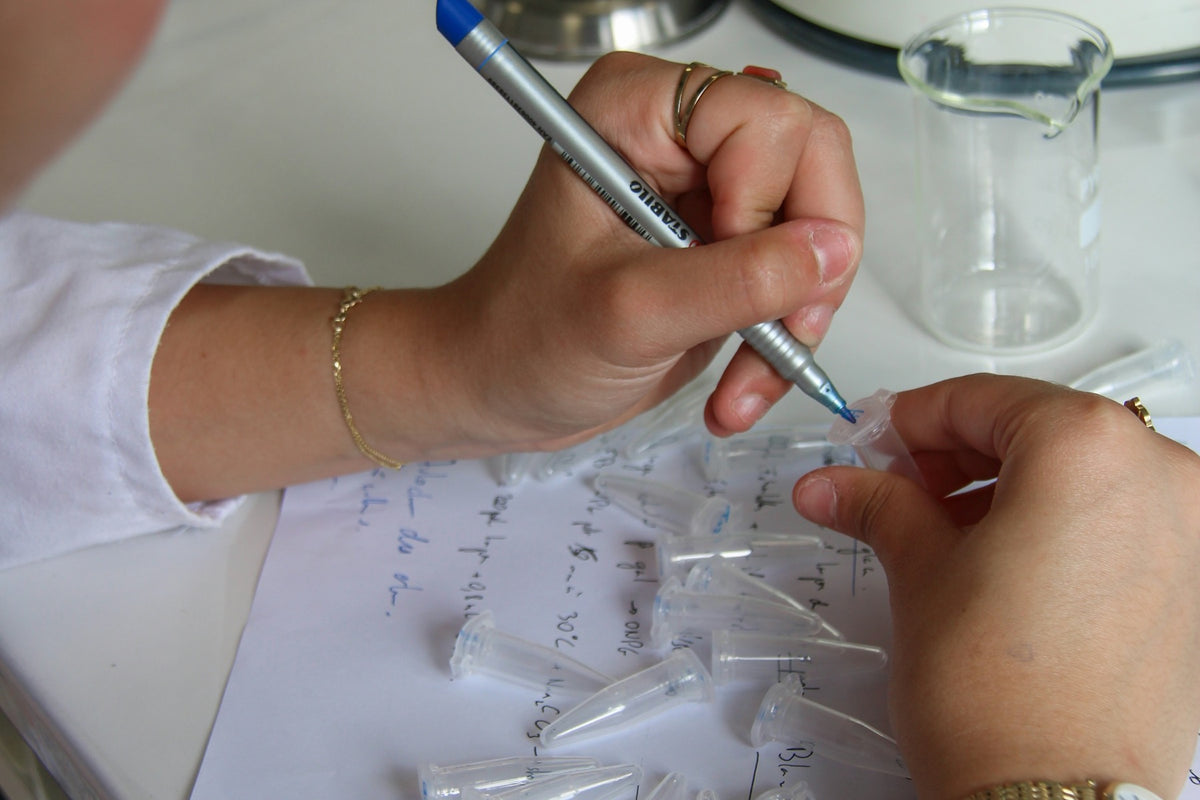
Kratom research has moved well beyond the question of whether the plant has noticeable effects in people. It does. People have long consumed Mitragyna speciosa leaf for alertness during work, relief from pain, relaxation, and help coping with opioid withdrawal. Modern human studies have also confirmed that kratom alkaloids enter the bloodstream, that mitragynine is converted in part to 7-hydroxymitragynine (7-OH), and that a low amount of kratom tea can alter exposure to at least one medication metabolized by intestinal CYP3A.
The unsettled questions are more practical: how effects change with product composition and concentration; how often serious adverse events occur; what years of regular consumption do to health; and whether a purified kratom-derived compound can prove safe and effective as a medicine. Those questions cannot be answered by treating dried leaf, MIT extract, and enriched 7-OH as the same exposure.
What researchers have established
Mitragyna speciosa is a tropical tree in the coffee family. Its leaf contains multiple alkaloids, with mitragynine usually the most abundant alkaloid measured in dried leaf. Natural leaf generally contains far less 7-OH than mitragynine. Concentrating, oxidizing, enriching, or otherwise formulating the material can create a chemical profile quite different from plain leaf.
Mitragynine and 7-OH both interact with the mu-opioid receptor. In laboratory assays, 7-OH is more potent at that receptor. Metabolism studies show that CYP3A enzymes can convert mitragynine to 7-OH, and controlled human studies have detected 7-OH in blood after people consumed kratom. This helps explain why the amount of 7-OH present in a package is not the only source of human exposure to it.
Plant and product variability also matters. Genetics, growing conditions, leaf age, drying, storage, extraction, and formulation can all change a sample. The practical consequence is straightforward: a result from one identified leaf product cannot be assigned automatically to every powder, capsule, gummy, liquid shot, MIT tablet, or enriched 7-OH product sold under the broad kratom label.
What laboratory and animal studies add
In human-receptor cell assays, mitragynine and 7-hydroxymitragynine have acted as partial agonists at the mu-opioid receptor. Some assay systems found G-protein signaling without measurable beta-arrestin recruitment. That signaling profile helped generate interest in “atypical” opioid pharmacology, but it is not evidence that kratom or 7-OH cannot suppress breathing or produce other opioid-related risks in people.
7-Hydroxymitragynine generally shows greater mu-opioid-receptor potency than mitragynine. Mouse studies have reported antinociception—the reduction of responses to a painful stimulus—and slowed gastrointestinal transit after 7-OH administration. Other animal work has examined self-administration, drug discrimination, tolerance, dependence-related behavior, locomotion, and temperature. The results change with compound, route, species, and experimental design.
Metabolism adds another layer. Human and mouse liver preparations convert mitragynine to 7-hydroxymitragynine through CYP3A enzymes, and 7-OH is detectable in people after oral kratom administration. Researchers disagree about how much of mitragynine’s animal antinociception is explained by that metabolite, which is a real scientific dispute rather than a reason to omit the finding.
Together, these studies provide a plausible biological basis for effects reported by people and show why leaf, purified mitragynine, and concentrated 7-OH should not be grouped together. They also leave an important gap: an animal pain-response test or receptor assay cannot tell us how often a benefit or adverse event will occur in consumers.
What controlled human studies actually found
In 2022, six healthy adults drank a tea prepared from 2 grams of a chemically characterized dried-leaf product. Mitragynine, speciogynine, and paynantheine generally reached maximum measured blood concentrations sooner than three related alkaloids, while their terminal half-lives were longer. The study directly showed that multiple kratom alkaloids are orally absorbed and follow different concentration-time patterns in people.
In 2023, 12 healthy adults consumed the same amount of characterized kratom tea with probe medicines used to measure CYP3A and CYP2D6 activity. Kratom increased peak midazolam concentration by about 50% and total exposure by about 40%, while dextromethorphan exposure was essentially unchanged. The unchanged midazolam half-life pointed to inhibition of intestinal CYP3A during first-pass metabolism. That is a measured human drug-interaction signal, not merely a theoretical concern from a test tube.
A larger program administered encapsulated dried-leaf powder to healthy volunteers once and then daily for 15 days. Mitragynine and 7-OH blood concentrations increased with the administered amount. Median time to maximum concentration was roughly one to two hours, and repeated administration produced accumulation before steady-state concentrations were reached. The highest reported mean terminal half-life for mitragynine was longer after repeated administration than after a single administration. The program was paid for by the product company, and several authors disclosed company or industry consulting relationships.
The safety report from that 116-person randomized program found no deaths or serious adverse events during the trial. Short-term adverse events generally increased with the administered amount. Dizziness, nausea, and relaxation were most common after a single administration; headache, feeling hot, increased alanine aminotransferase, and nausea were among the most common after repeated administration. The authors reported no meaningful withdrawal or abuse-potential signal during their protocol. The result is useful short-term evidence for that dried-leaf product in screened healthy adults; it does not address years of use, uncommon events, higher-risk patients, or concentrated 7-OH products.
What consumers report—and what those reports establish
Surveys and interviews in the United States and Southeast Asia consistently find that people use kratom for recognizable effects. In southern Thailand, fresh-leaf use has been documented in work and social settings, often in connection with fatigue or physical labor. U.S. respondents more commonly describe commercially sold powder, capsules, or extracts and frequently cite pain, energy, relaxation, mood, or an attempt to reduce opioid use.
These reports are not vague anecdotes about an inert plant. They establish that kratom is psychoactive and that regular use can lead to tolerance, physical dependence, and withdrawal in some people. Gastrointestinal effects, dizziness, sweating, sedation, and appetite changes also appear repeatedly. The harder research question is how frequently each outcome occurs and how strongly it depends on the product, amount, health history, medication use, and use of other substances.
Adverse events, dependence, and the limits of surveillance data
Poison-center calls, case reports, toxicology records, and adverse-event databases include agitation, sedation, seizures, liver injury, cardiovascular findings, respiratory depression, dependence, withdrawal, and deaths in which kratom compounds were detected. Many severe cases also involve other substances, an uncertain product, or incomplete exposure information. Those complications make attribution difficult, but they do not make the events irrelevant.
Dependence is supported by more than isolated case reports. Community and survey studies include people who describe tolerance, cravings, continued use despite problems, and withdrawal after stopping. Concentrated 7-OH products deserve separate attention because 7-OH is a more potent mu-opioid-receptor agonist than mitragynine; a 2025 clinical case documented rapid tolerance and severe substance use disorder involving a chemically confirmed semi-synthetic 7-OH film.
Surveillance records rarely reveal the total number of comparable exposures, so they cannot by themselves produce a reliable population-wide event rate. They are best used to identify the kinds of harm occurring and the product or polysubstance questions that controlled research needs to investigate.
Why leaf, MIT extracts, and enriched 7-OH are different exposures
Fresh leaf and dried powder contain mitragynine plus many minor alkaloids, with naturally low 7-OH relative to mitragynine. Extracting or concentrating the leaf increases the amount of selected compounds in a smaller mass. Tablets, gummies, liquid shots, and extract powders can also change how quickly the material is consumed and how easily a person repeats an amount.
Enriched or semi-synthetic 7-OH products are a larger departure from leaf. They deliver a more potent mu-opioid-receptor agonist at levels that can greatly exceed those naturally present in leaf. That is not merely a packaging difference; it is a change in the dominant exposure.
The product-types guide, quality and lab-testing guide, and COA guide explain how ingredient identity, amount, format, lot, and laboratory documents connect.
Why current 7-OH evidence matters
FDA’s 2025 assessment describes 7-OH as a potent mu-opioid-receptor agonist and focuses on products containing concentrated or enriched amounts. Animal research, receptor studies, clinical cases, poison data, and product testing collectively support treating those products as materially different from ordinary dried leaf.
In July 2026, DEA announced a temporary-scheduling action involving named 7-OH-related substances, followed by a Federal Register notice defining the operative scope and dates. The current documents are maintained on the DEA 7-OH scheduling tracker. The action concerns named substances; readers still need the actual ingredient identity and laboratory record to understand a product.
The biggest questions still unresolved
- Whether a kratom-derived medicine can demonstrate effectiveness for pain, opioid use disorder, or another indication in adequate clinical trials.
- How years of regular leaf or extract consumption affect the liver, cardiovascular system, hormones, cognition, and dependence risk across diverse populations.
- How product concentration, minor alkaloids, food, genetics, medications, and other substances change effects and adverse events.
- How often severe events occur relative to the number of people consuming comparable, chemically verified products.
- Which withdrawal and substance-use-disorder interventions work best for people using leaf, extracts, or concentrated 7-OH.
- Whether catalog colors or geography names predict reproducible chemical or human-effect differences after products are independently characterized.
What researchers are studying now
Active research spans product characterization, chemical variability, metabolism, human pharmacokinetics, interactions, tolerability, abuse-related measures, observational patterns, and methods for distinguishing compounds and products. Some questions concern whole botanical material; others concern isolated molecules. Those research programs should not be collapsed into one category.
In June 2026, NIH announced that an Investigational New Drug application for a purified mitragynine formulation had taken effect, allowing a first-in-human phase I program to proceed. The current ClinicalTrials.gov record for MG001 describes a randomized, double-blind, placebo-controlled single-ascending study in healthy volunteers, with a planned focus on safety, tolerability, and pharmacokinetics. Its dates are listed as estimates and may change.
This program studies a purified mitragynine formulation, not every kratom product. An IND allows clinical investigation; it is not FDA approval and does not demonstrate effectiveness. Results will need to be evaluated when available, using the actual protocol, participants, material, outcomes, and disclosures.
What would materially improve the evidence
The largest gaps require longer human studies, more diverse participants, independent replication, and chemical characterization of the exact material used. Research also needs to keep leaf, MIT extracts, and concentrated 7-OH separate instead of averaging unlike products into one category.
For readers evaluating a new paper or claim, the central questions are simple: What did people actually consume? Was the product analyzed? How long were they followed? What changed, and compared with what? The online-information guide applies those questions to studies, agency records, and product documents.
Sources and further reading
- NCCIH: Kratom
- NCCIH: Exploring the Science of a Controversial Botanical
- Tanna et al. (2022): Clinical pharmacokinetic assessment
- Tanna et al. (2023): Clinical drug-interaction assessment
- Huestis et al. (2024): Mitragynine and 7-OH pharmacokinetics
- Sempio et al. (2025): Eleven-alkaloid plasma analysis
- Huestis et al. (2026): Randomized safety and tolerability study
- Todd et al. (2020): Kratom alkaloids and human opioid-receptor assays
- Kruegel et al. (2019): Mitragynine metabolism to 7-hydroxymitragynine
- 2025 clinical case involving a semi-synthetic 7-OH product
- ClinicalTrials.gov NCT06072170: Phase I kratom study record
- NIH: IND effective for mitragynine study
- ClinicalTrials.gov NCT07204171: MG001 phase I study
- Sharma et al. (2019): Ten-alkaloid analysis
- Manwill et al. (2022): Kratom alkaloid chemotypes
- FDA: 7-Hydroxymitragynine assessment
- DEA: July 2026 temporary-scheduling announcement
- Federal Register: Temporary-placement notice
Editorial note: This article summarizes research and reported human experience. It is not medical advice, a diagnosis, or a recommendation to use kratom or change a treatment.