
Kratom powder and botanical materials arranged for batch and laboratory document education

Kratom Batch Numbers, Lot Codes & Lab Sample IDs Explained
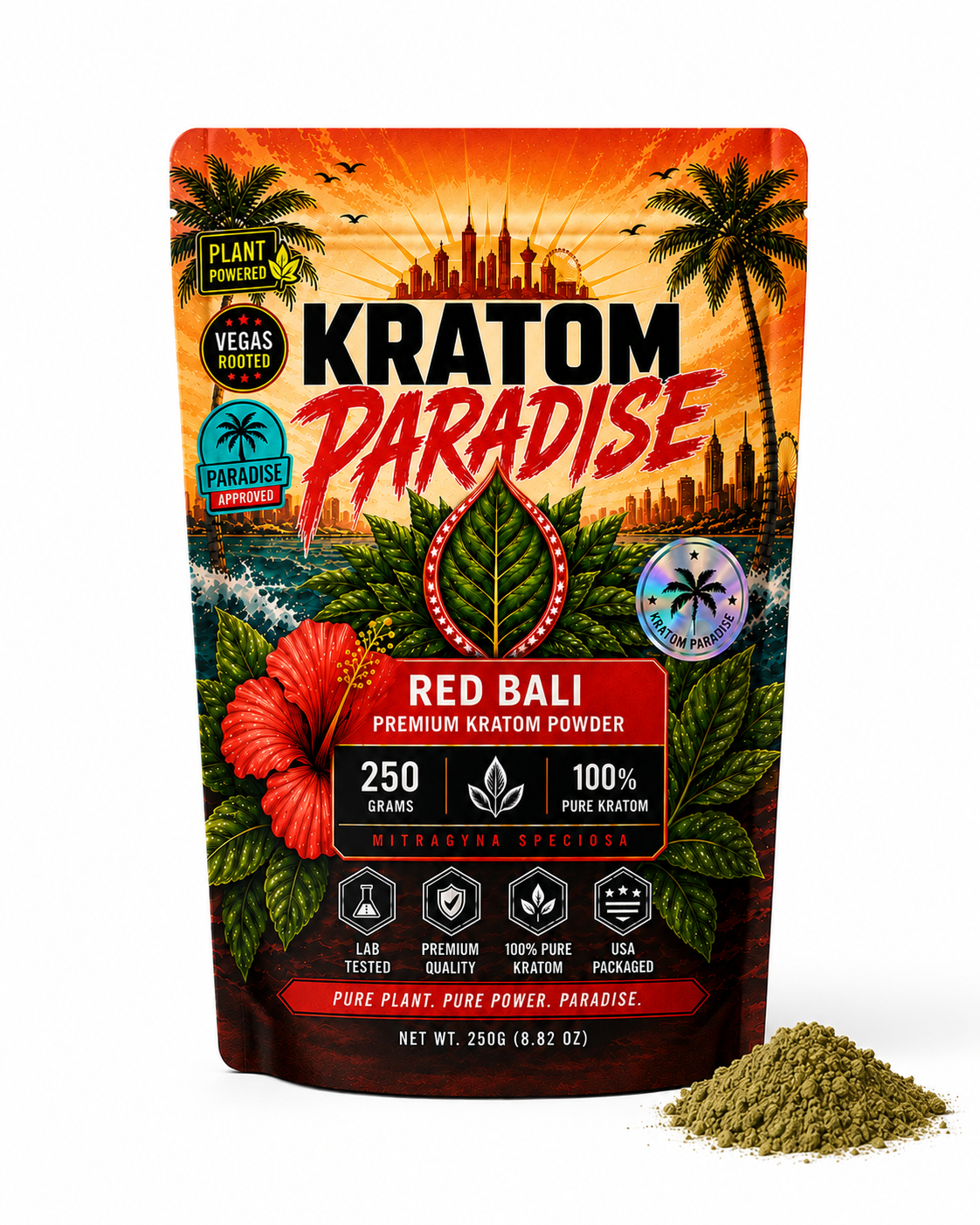
A kratom package, a product page, and a laboratory report can all describe the same material while displaying different identifiers. One may show a finished-product lot code, another a laboratory sample number, and another an internal document reference. Those codes are useful only when the reader understands what each one identifies and can follow the connection between them.

This guide explains the practical difference between a batch number, lot code, laboratory sample ID, and report or document reference. It also shows how to match a package or online listing to the correct certificate of analysis without treating one test as a permanent guarantee for every product carrying the same name.

The four identifiers you are most likely to see

Batch number or lot code

A batch number or lot code identifies a defined quantity of material handled as a unit. Businesses use these terms somewhat differently, but both usually belong to the product or production record rather than to the laboratory. The identifier can connect receiving, processing, packaging, inventory, and distribution records. It is more specific than a product title such as Green Maeng Da powder, which may remain in a catalog across many separate lots.

A useful lot code should stay attached to the material as a bulk lot is divided into smaller packages. If the code changes during repackaging, the records should preserve the relationship between the original lot and the finished-package code. Otherwise, a business may know what product it has but lose the traceable bridge to the material that was sampled.

Laboratory sample ID

A laboratory sample ID is assigned to the portion of material received by the laboratory. It identifies the tested submission inside that laboratory's system. The sample may have arrived with the client's batch or lot code, but the laboratory generally assigns its own unique number for chain of custody, methods, results, review, and report generation.

The distinction matters because a laboratory analyzes the submitted sample, not every package in the finished lot. A sample ID therefore proves which submission the report describes. It does not, by itself, explain how the sample was collected or demonstrate that every product sold under the same catalog name came from that exact lot.

Report number or certificate number

Some laboratories display a separate report, work-order, or certificate number in addition to the sample ID. A single report can contain one sample or several related samples. The number helps retrieve the complete document and may change if a corrected report is issued. Readers should compare the sample section and revision information, not rely on the PDF filename alone.

Internal document reference

A retailer or manufacturer may also assign an internal reference to the uploaded PDF. That shorter code can make a document center easier to use, but it is not a substitute for the laboratory's own identifiers. A well-designed document index places the internal reference beside the laboratory sample number, product line, report date, and direct PDF link so the relationship is visible.

Why one product name can have many batches

Catalog names are designed to remain understandable over time. Batches are designed to distinguish material over time. A powder product may keep the same title while later inventory arrives, a new lot is milled, or a new laboratory sample is submitted. The stable name helps customers find the product family; the changing lot and sample references provide the time-specific traceability.

This is also why a certificate should not be detached from its date. A recent report may be useful for the current referenced batch, while an older report may describe previous material. Neither should be presented as a timeless specification for every future lot unless a documented program explicitly supports that claim.

A reliable five-step matching process

  • Identify the exact product and format. Powder, capsules, chewable tablets, and extract powder are different catalog formats. Do not match a report by a shared flavor or color word alone.
  • Find the batch, lot, or sample reference. Look on the package, product page, document center, packing material, or supplied record. Record the full code, including leading zeros and suffixes.
  • Open the complete report. Use the original PDF when available. Cropped screenshots can omit sample information, dates, units, reporting limits, methods, or revision notes.
  • Compare identifiers and dates. Match the laboratory sample ID and any client-provided lot code. Confirm that the product description on the report is consistent with the listing or package.
  • Read the results in context. Keep units, methods, detection or reporting limits, and the laboratory's notes attached to each result.

Start with product identity, not the largest number

A laboratory table can contain percentages, milligrams per gram, limits, dates, and method references. The visually largest number is not automatically the best matching clue. Product identity and sample identity come first. Only after those fields match should the reader interpret the analytical table.

This is especially important when comparing botanical powder with concentrated extract. A product-line label, a measured result, and a package size answer different questions. A label such as MIT 60% identifies a catalog line. A laboratory result describes the submitted sample. A size such as 25 grams identifies the amount selected. None should silently replace the others.

What a matching report can and cannot establish

A properly matched report can show that a named laboratory reported defined results for the identified sample on the stated dates, using the methods and units shown. It can help a reader distinguish one product line or batch from another and review the panels included in the document.

The report does not prove facts outside its scope. It does not automatically describe every prior or future lot, every unopened package, every possible analyte, or every threshold a different method could measure. An ND result means not detected under the report's stated method and reporting conditions; it is not an absolute claim that no molecule could exist under any method.

Representative sampling is part of the chain

Traceability continues backward from the laboratory sample to the larger lot. If a large container is not uniform, a small scoop from one location may not describe the whole. A sampling plan can combine portions from defined locations and record who collected them, when, and from which lot. The certificate then documents the laboratory's work on the submitted material, while the sampling record explains how that material was selected.

A laboratory's competence and a seller's sampling process are related but separate questions. ISO/IEC 17025 accreditation concerns laboratory competence for specified activities. It does not mean the laboratory supervised every upstream harvest, blend, or sample collection unless the scope and records say so.

Why label-to-batch matching appears in regulation

Some state rules make the connection explicit. Utah's kratom product rule, for example, includes requirements involving batch or lot identifiers and certificate information. Requirements differ by jurisdiction and can change, so one state's rule should not be treated as a complete national checklist. It is nevertheless a clear illustration of why a visible matching identifier is more useful than an unlinked laboratory logo.

How Kratom Paradise organizes MIT extract documents

The MIT Product Documents & COA Center lists the product line, internal reference, laboratory sample, report date, reported result, and direct PDF together. The MIT 60% line points to sample SD260616-036 and internal reference 141215. The 90% MIT-CH line points to sample SD260624-014 and internal reference 141690.

Standard and bulk package sizes can share a product-line reference when they are configurations of the same documented material. The size selector changes the amount purchased; it does not create a new laboratory result. Flavor or Unflavored (raw) is also a product option that should be read separately from the sample identity.

Questions to ask before saving a COA

  • Does the product format on the report match the product I am viewing?
  • Can I match the sample ID or lot reference rather than only the product name?
  • Is this the complete PDF, and does it show the laboratory, dates, units, methods, and notes?
  • Does the report describe the current referenced batch or an older archived one?
  • Am I reading a submitted label and a measured result as separate fields?
  • If the report was revised, am I using the latest complete version?

A practical record for a larger order

For a bulk purchase, save the product title, selected strength or product line, selected option, package tier, lot or sample reference, direct document URL, and order date together. When inventory is received, compare the received configuration with the order record before reorganizing packages. Keeping original labels attached reduces the chance that similar-looking products lose their identity.

For a broader walkthrough of columns, units, reporting limits, and common panels, continue with How to Read a Kratom Lab Report. For current bulk formats and ordering paths, use the Bulk MIT Buyer's Guide.

Sources and further reading

This guide is for product-document and traceability education. It is not medical or legal advice, and requirements should be confirmed for the relevant jurisdiction.

Written By : Kratom Paradise Editorial Team